

Understand
We establish the operating objective, site conditions, stakeholders, interfaces, constraints, and success criteria before proposing equipment or manpower.
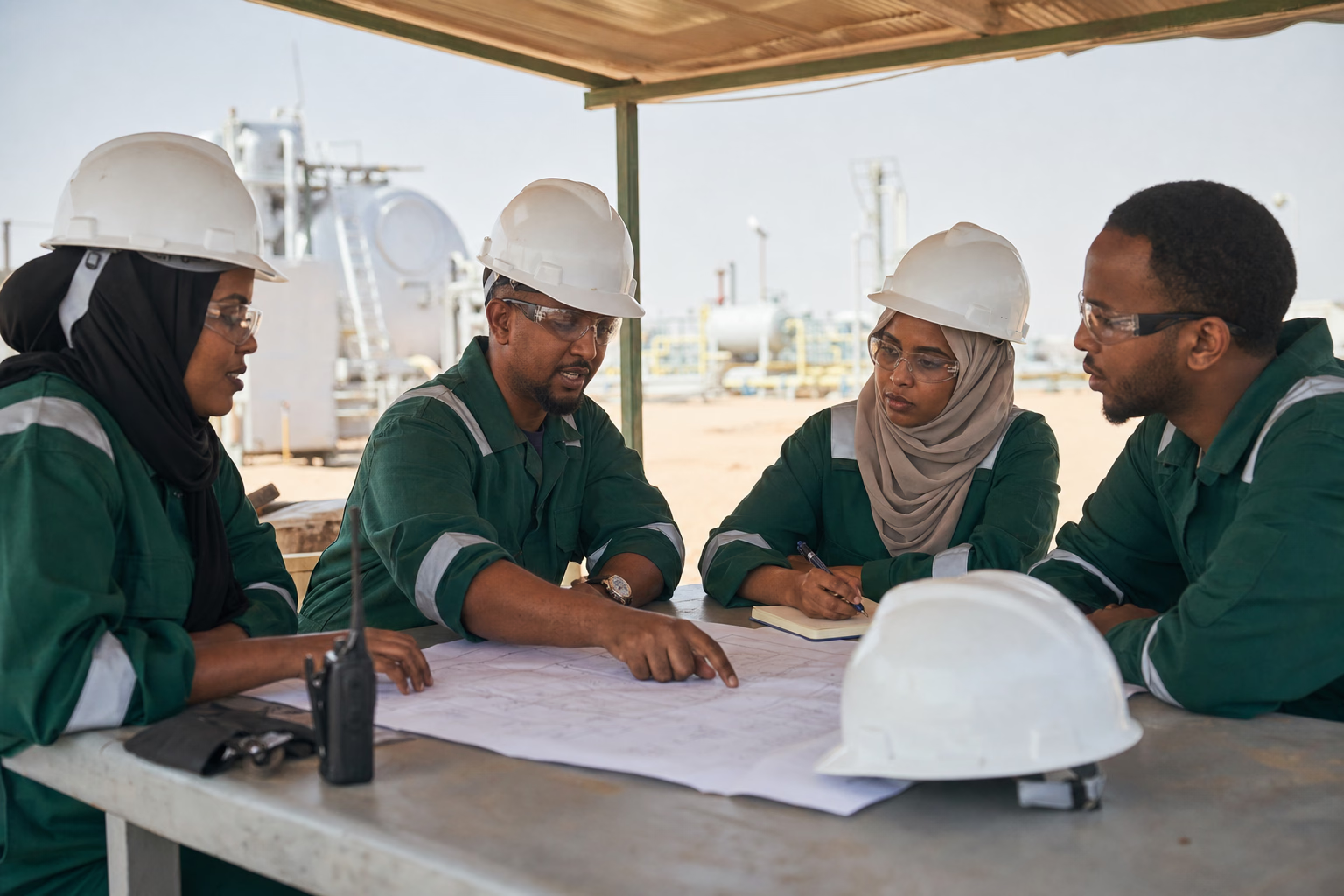
The purpose of a delivery model is not process for its own sake. It is to reduce ambiguity, expose risk early, and keep technical, commercial, and operating decisions connected.
The exact engineering method and standards depend on the project. The operating discipline remains consistent.
We establish the operating objective, site conditions, stakeholders, interfaces, constraints, and success criteria before proposing equipment or manpower.
We translate the need into a defined scope, delivery plan, responsibilities, technical basis, HSE expectations, commercial assumptions, and decision points.
People, equipment, partners, permits, logistics, security coordination, site readiness, and communications are aligned before work begins.
Execution follows agreed controls, reporting, quality checks, testing, acceptance criteria, and transparent escalation when conditions change.
Handover information, maintenance needs, response arrangements, lessons learned, and improvement opportunities are made visible.
The company’s legacy material commits to safety and environmental responsibility. The rebuilt operating model turns that intent into three practical expectations.
Define hazards, interfaces, controls, competence, permits, and response arrangements before mobilisation.
Use clear responsibilities, briefings, stop-work authority, inspections, and issue escalation during execution.
Capture observations, incidents, changes, handover requirements, and lessons for the next phase.
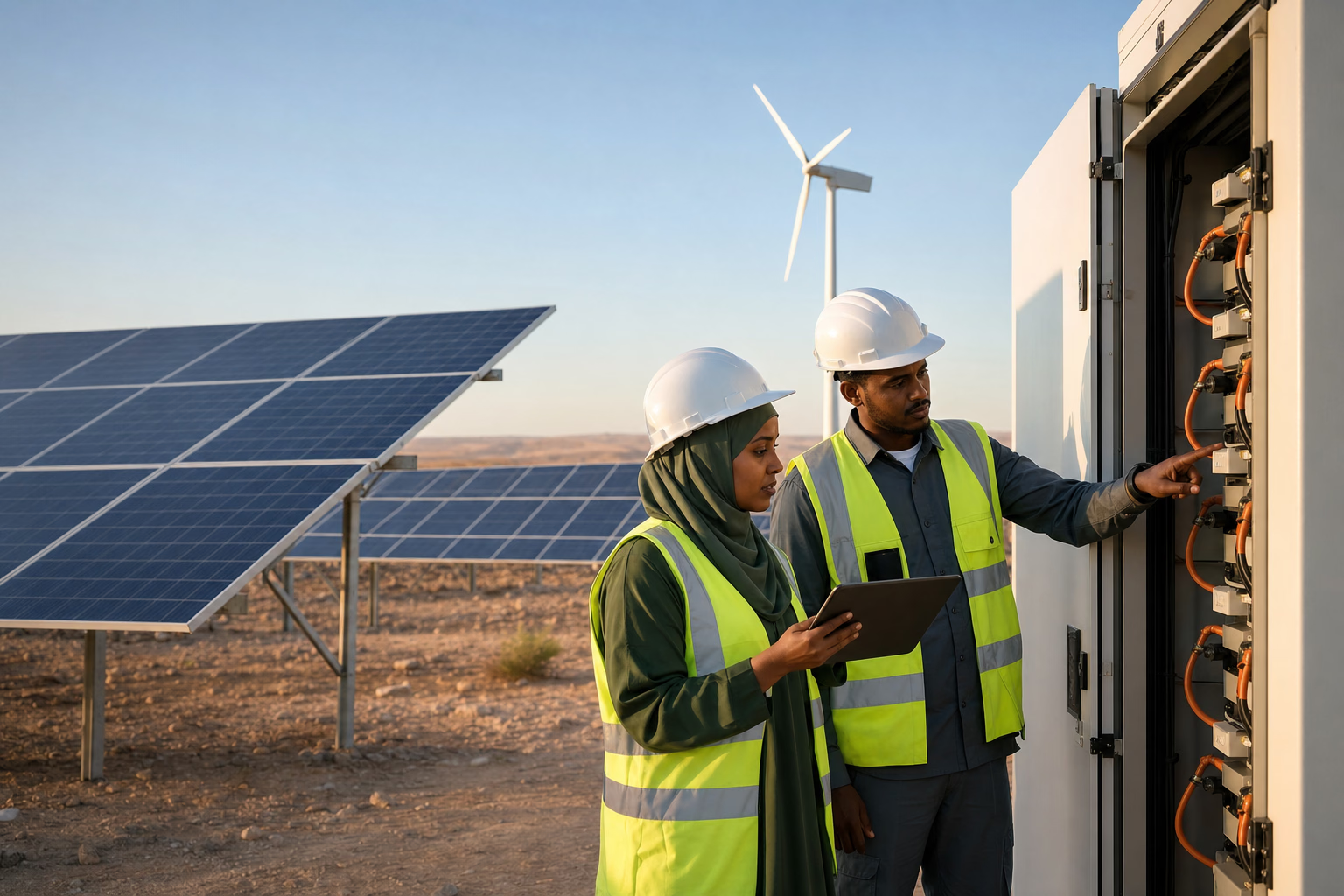
A technically attractive system can still fail if it does not fit the load, site, operators, spare-parts reality, or maintenance model. We keep those questions visible before technology selection.
Tell us the location, operating need, and timeline. We will route your enquiry to the right capability team.